Why do residential buildings need pipe diagnostics?
Water supply networks in residential buildings are designed to last, but they are not designed to last indefinitely without attention. Copper pipes corrode at joints over time. Flexible connectors age and fatigue. Mineral deposits accumulate in sections with slow flow. Pressure irregularities develop as the network changes with building use. None of these processes are visible from the outside — which is why diagnostic inspection is the only way to understand the actual condition of the network.

Endoscopic Camera Inspection
A miniature high-resolution camera is introduced into the building's water network through existing access points. The camera travels through the pipe interior, transmitting live footage that is recorded for detailed analysis.
The footage reveals the actual internal condition of the pipes: the extent of mineral scale buildup, areas of active corrosion, sections where the pipe wall has thinned, deformations that indicate external pressure on the pipe, and any partial blockages that are reducing flow capacity.

Segment Pressure Testing
The water network is divided into segments, each of which is isolated and tested under controlled pressure conditions. By monitoring pressure over time within each isolated segment, we can identify sections where pressure is not being maintained — indicating the presence of leaks or failing connections.
This method is particularly valuable for detecting micro-leaks that are too small to cause visible water damage but are nonetheless degrading network integrity. It also identifies sections where pressure inconsistencies suggest developing blockages.
Joint Corrosion Analysis
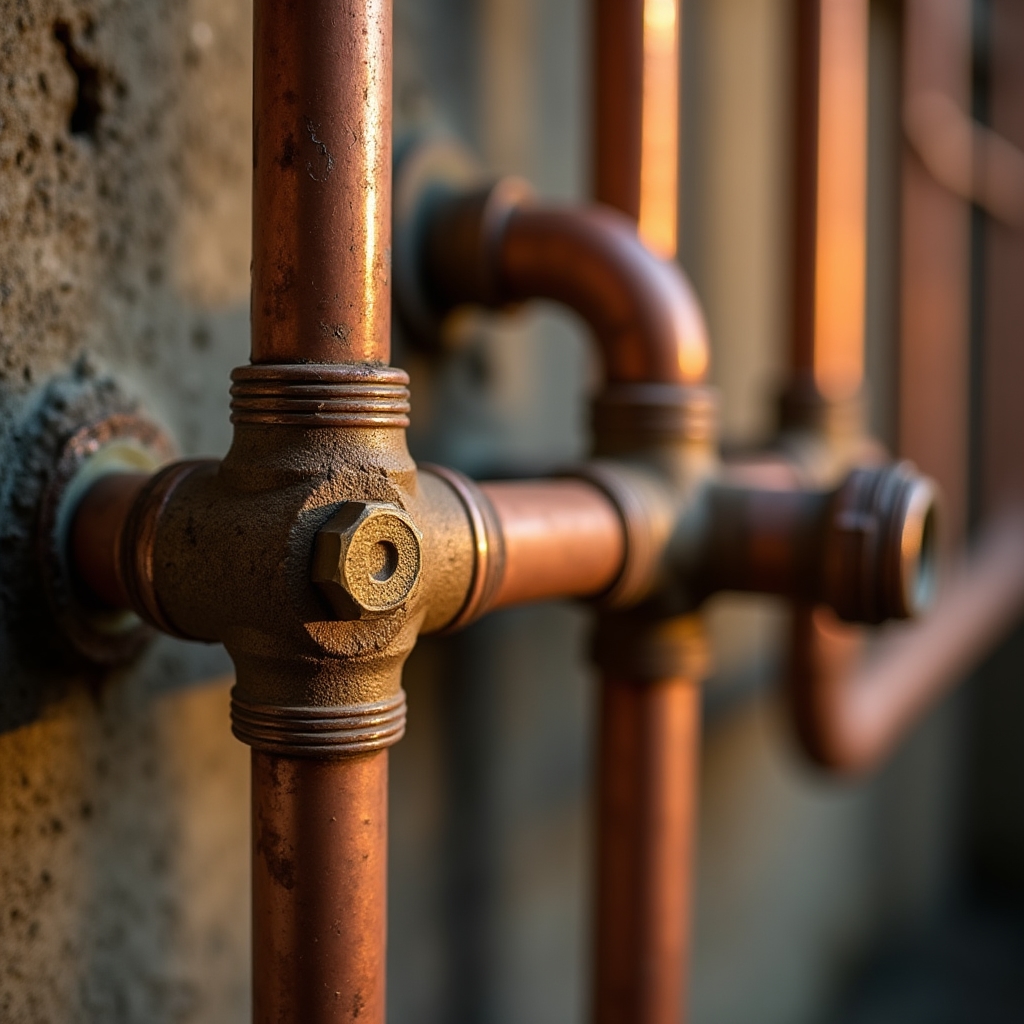
Pipe joints and unions are the points in a water network most susceptible to failure. Copper-to-copper connections, connections between different materials, and flexible hose connections all develop corrosion at different rates depending on water chemistry, installation quality, and age.
We examine accessible joints systematically, assessing the degree of oxidation and material degradation at each connection. This analysis produces a map of joint condition across the network, identifying which connections are in acceptable condition and which are approaching the point where intervention is appropriate.
Diagnostic Report for the Committee
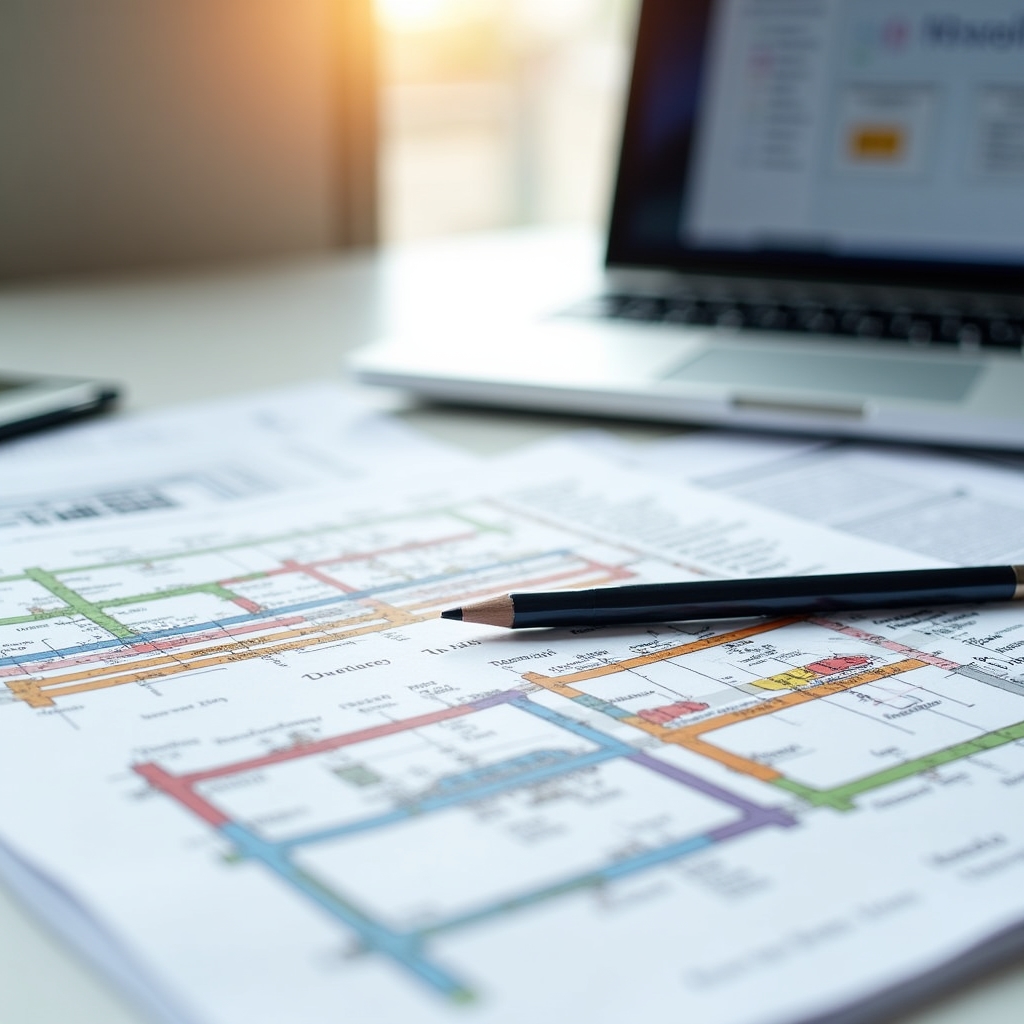
All findings from the inspection — camera footage analysis, pressure test results, and joint condition assessment — are compiled into a single written report addressed to the building committee or property administration.
The report is designed to be read and understood by non-specialists. It includes a network map with condition notes for each section, an estimated remaining useful life for each segment, and a cost comparison that illustrates the financial difference between proactive repair now and reactive emergency repair following a failure.