Home Quality Commitment Our Services FAQ Contact
EN | ES

Quality Commitment

How we approach every diagnostic inspection — and what that means for the reports we produce.

Our Approach

What does quality mean in pipe diagnostics?

Quality in diagnostic work means providing accurate, complete information — not a cursory inspection that misses developing problems. It means using equipment that produces clear, interpretable results. And it means writing reports that are genuinely useful to the people who need to act on them.

Building committees are not plumbing engineers. They are residents and administrators making decisions about shared infrastructure. A quality report speaks their language, explains what was found, and gives them the information they need to make informed maintenance decisions.

We do not rush inspections to fit more buildings into a schedule. Each inspection is allocated the time needed to cover the network thoroughly. If something requires closer examination, we examine it closely.
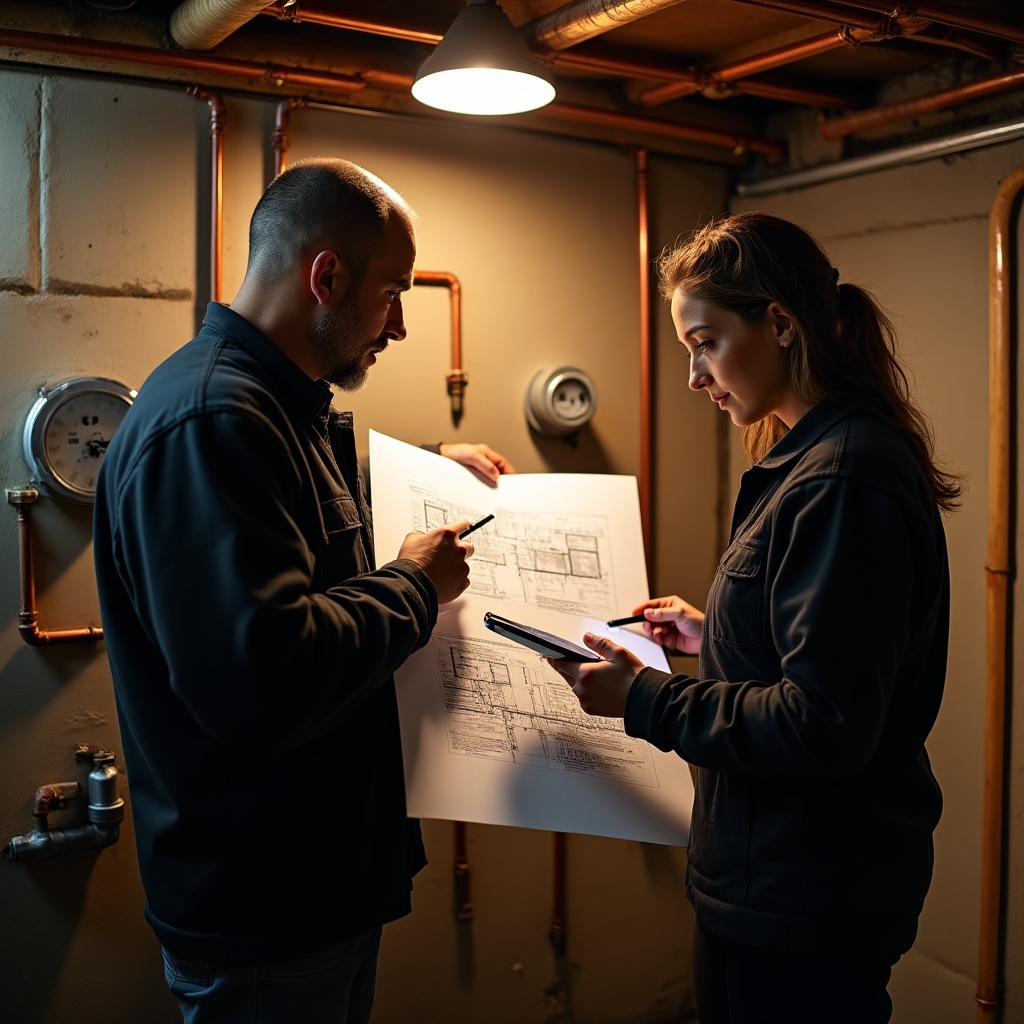
Inspection team reviewing pipe network documentation
Our Standards

The principles that guide our work

Thorough Coverage

Every accessible section of the network is inspected. We document what we find and what we cannot access, so the report is an honest account of the network's condition.

Clear Reporting

Reports are structured for readability. Findings are described in plain language. Technical observations are explained so that non-specialists can understand their significance.

Timely Delivery

Inspection findings are compiled and delivered within a reasonable timeframe after the on-site work. We do not leave committees waiting weeks for information they need to plan maintenance.

Open Communication

If the committee has questions about the report, we answer them. The inspection is not the end of the process — it is the beginning of an informed maintenance conversation.

Equipment & Methods

The tools behind accurate diagnostics

Accurate diagnostic results depend on using appropriate equipment correctly. Here is how each method contributes to the overall assessment.

Endoscopic Camera

High-resolution miniature cameras allow direct visual inspection of pipe interiors. The footage is reviewed frame by frame to identify corrosion, deposits, deformation, and any structural anomalies that could indicate developing failure points. Camera footage is retained as part of the inspection record.

Pressure Testing

Each network segment is isolated and subjected to controlled pressure. Pressure decay over time indicates the presence and approximate severity of leaks. This method identifies sections that may appear intact visually but are losing integrity under normal operating conditions.

Corrosion Analysis

Joints and unions are examined for oxidation, pitting, and material degradation. The degree of corrosion is assessed against known service-life characteristics of the pipe materials, providing an estimate of how much useful life remains in each connection.

Integrated Report

Findings from all three methods are combined into a single document. The report maps the network, notes the condition of each section, provides remaining-life estimates, and presents a cost comparison that helps committees prioritize maintenance spending.

Ready to understand your building's water network?

Contact us to discuss a diagnostic inspection. We'll explain what the process involves for your specific building before any commitment.