Home Quality Commitment Our Services FAQ Contact
EN | ES
Building water pipe network
Preventive Pipe Diagnostics · Chile

Diagnose your pipes before they fail at 3 a.m.

Water pipes in buildings over fifteen years old develop hidden problems. Polvodi provides preventive diagnostic services for residential building water networks — so your building committee knows what needs attention before a burst causes serious damage.
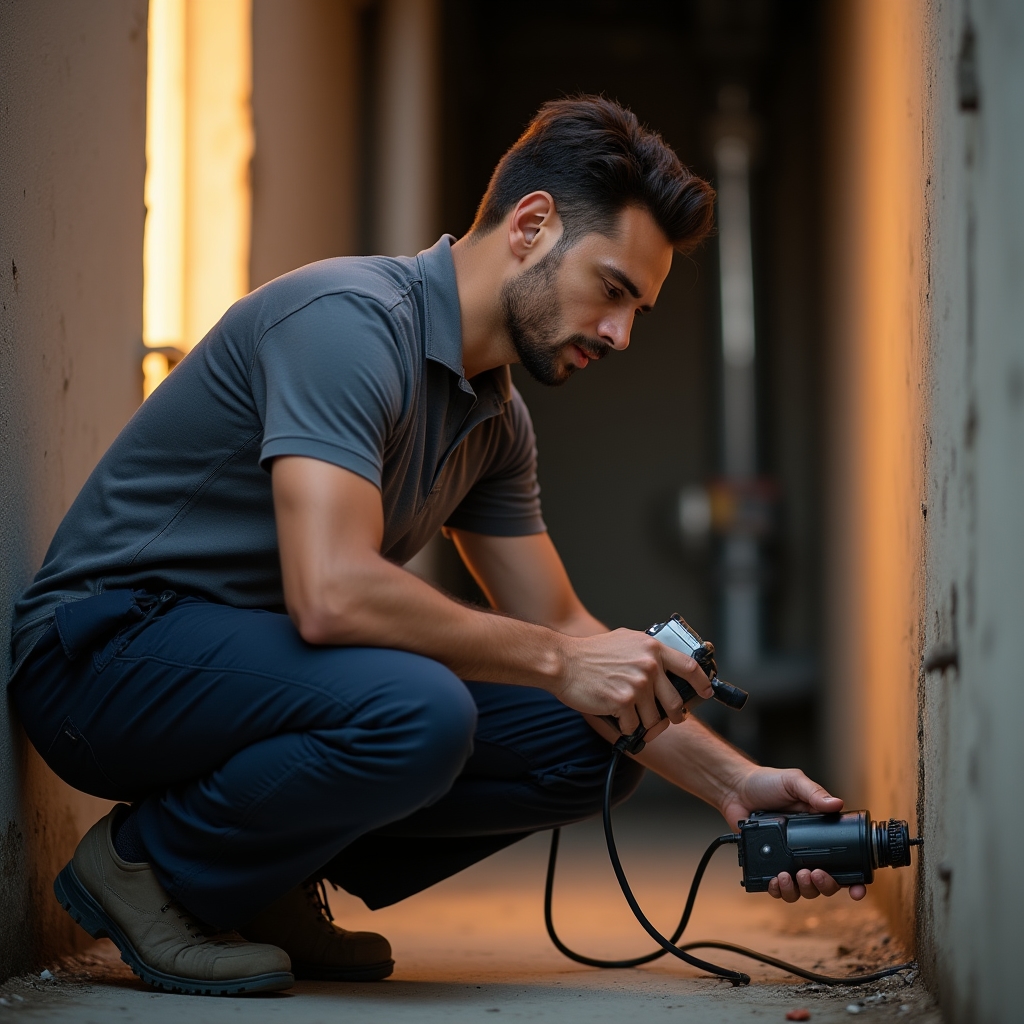
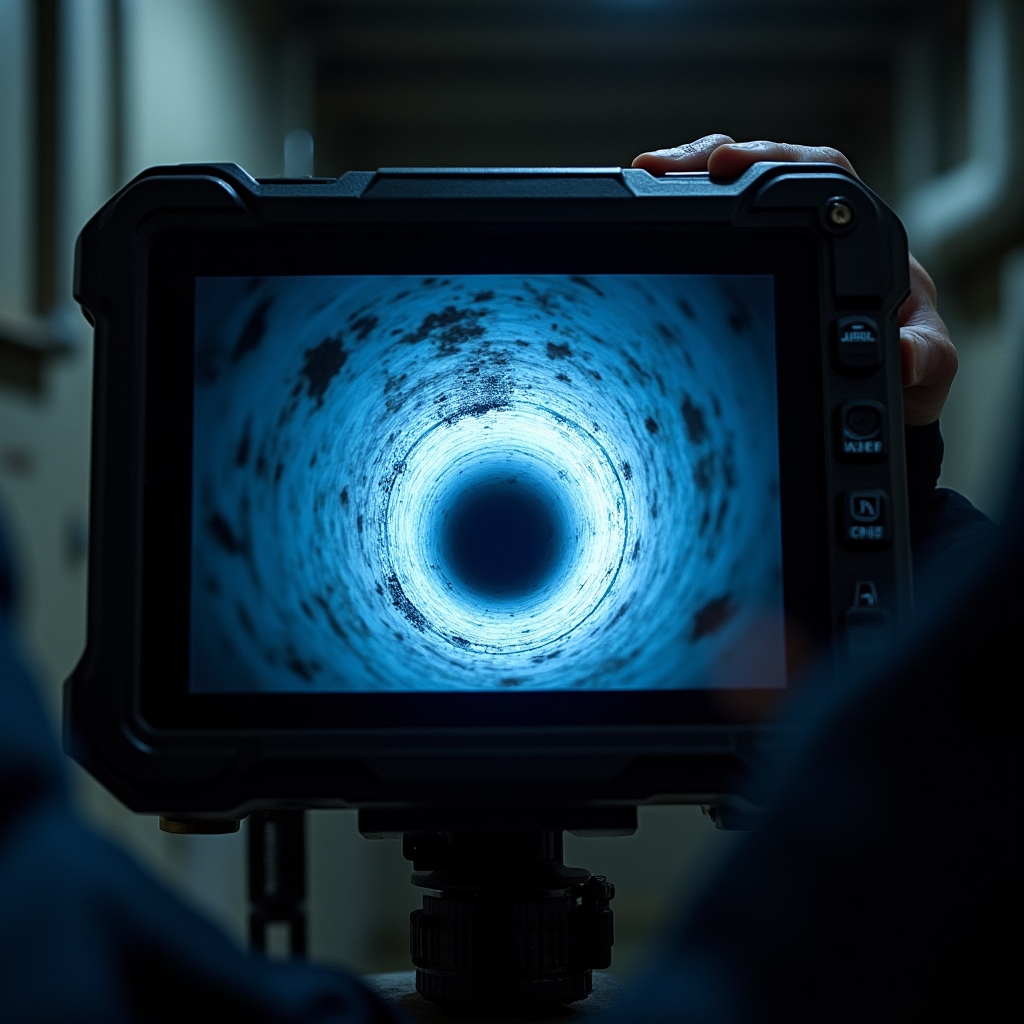
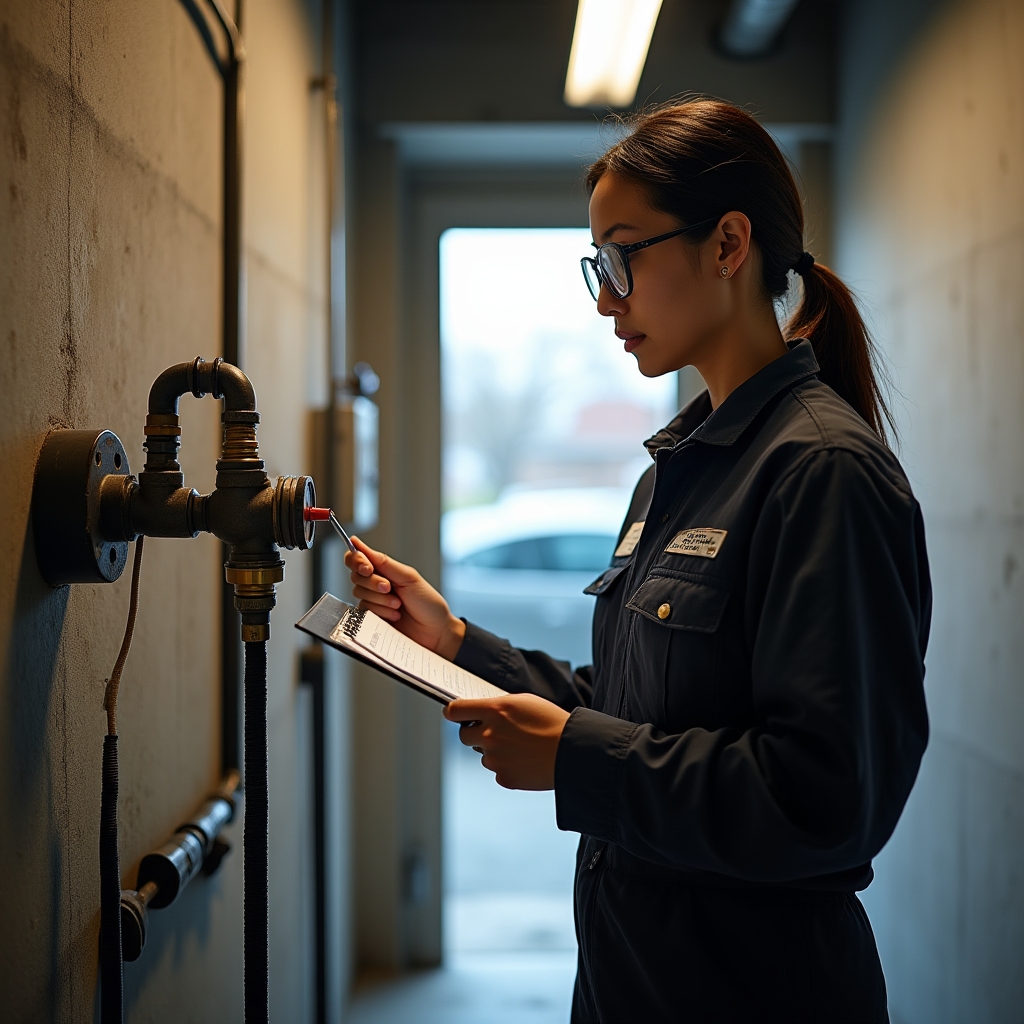
Technician performing endoscopic camera inspection of building pipes
Service Area Santiago, Chile
Scroll
The Hidden Risk

What happens inside pipes you can't see?

Buildings constructed more than fifteen years ago have water networks that were installed once and largely forgotten. Copper joints oxidize, flexible connectors fatigue, and pressure fluctuations gradually weaken connections — all invisibly, until something fails.

By the time a burst flexible hose floods the apartment below at three in the morning, the damage has been building for years. Emergency repairs cost far more than preventive ones, and the disruption to residents is significant.

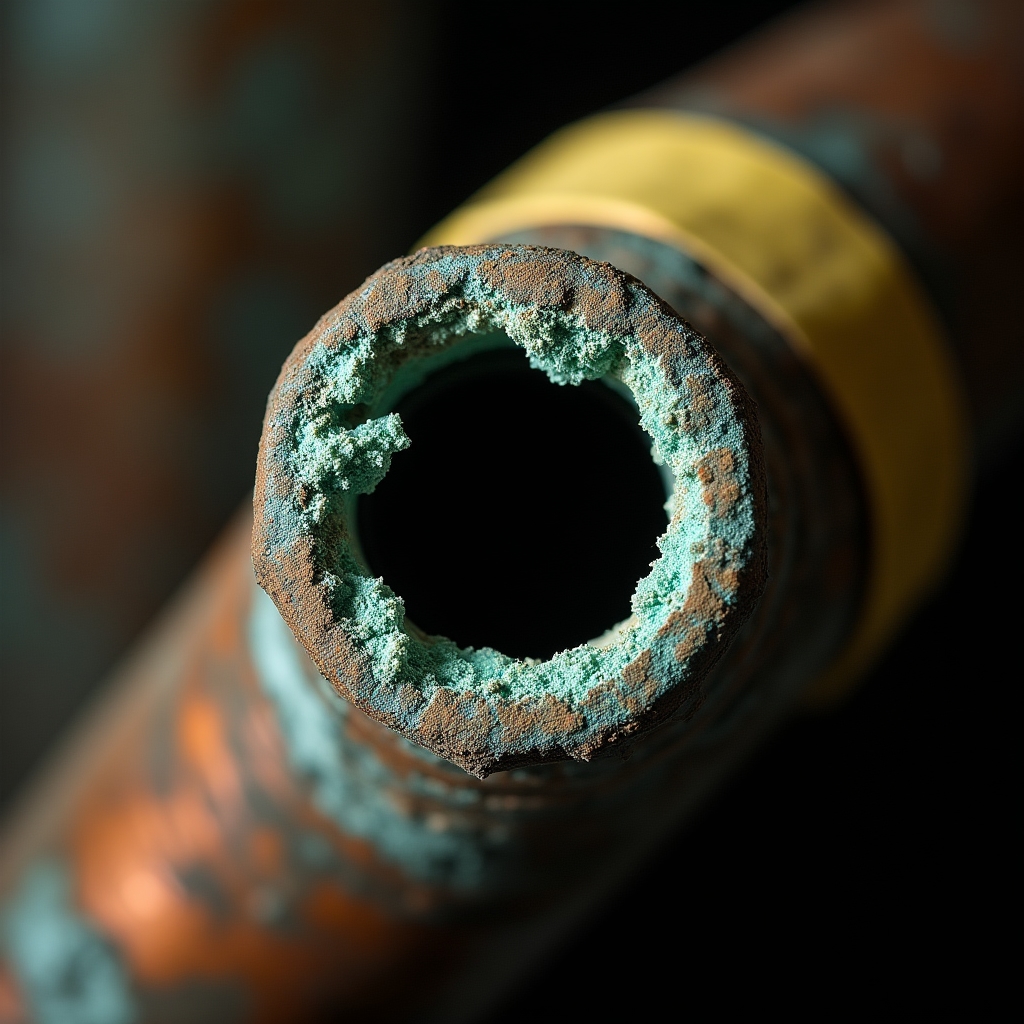
Corrosion at pipe joints often goes undetected for years
Flexible connectors have a finite service life that varies by installation quality
Pressure irregularities can indicate developing blockages or leaks
Emergency flood repairs typically involve multiple apartments and common areas
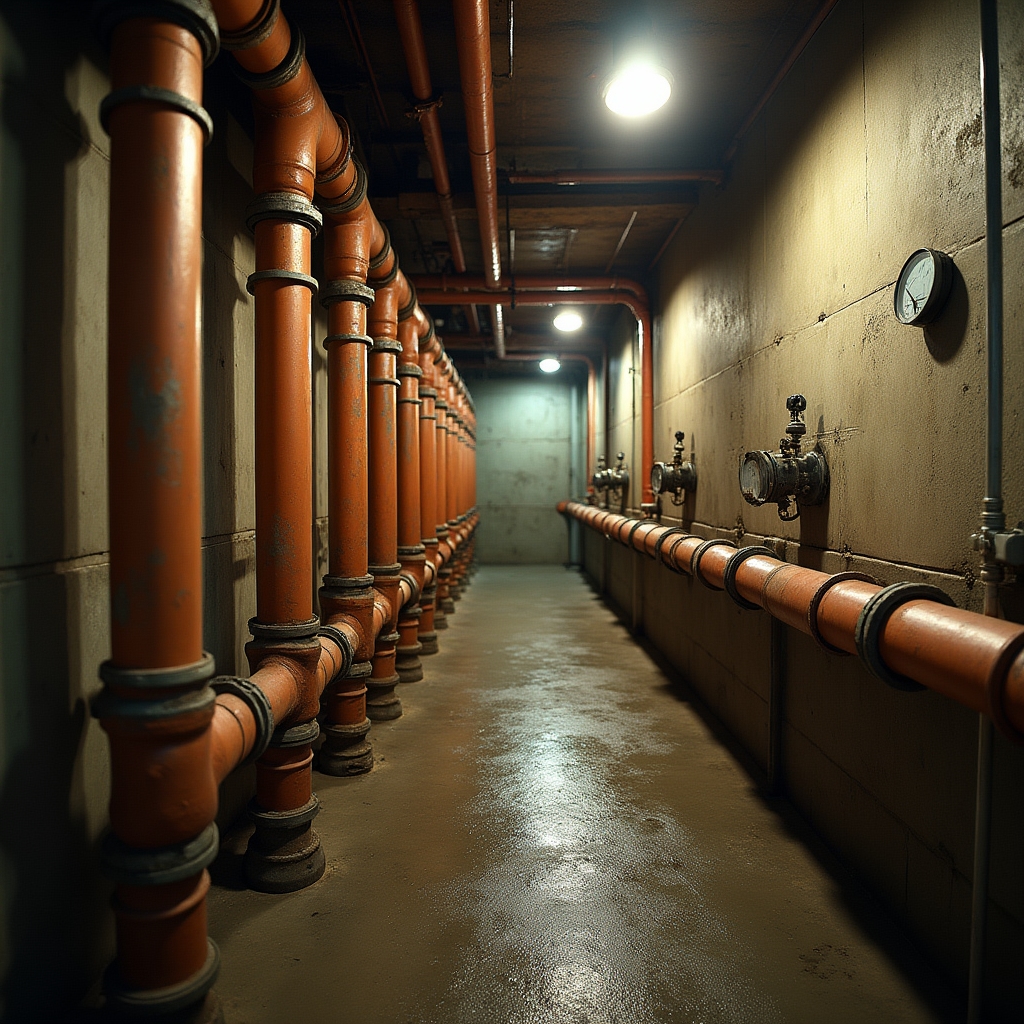
Corroded pipe joint showing oxidation damage in residential building
What We Do

Four diagnostic methods.
One complete picture.

Each service addresses a different aspect of your building's water network condition. Together they provide a comprehensive assessment that gives your building committee the information needed for informed maintenance decisions.

Endoscopic Camera Inspection

A miniature camera travels through your building's water pipes, capturing high-resolution footage of the interior condition. Blockages, corrosion, mineral deposits, and structural deformations become visible without opening walls or floors.

Segment Pressure Testing

We isolate and test each section of the network under controlled pressure conditions. This identifies sections with micro-leaks, weakened joints, or pressure inconsistencies that would otherwise remain invisible until they become acute failures.

Joint Corrosion Analysis

Connections and joints are the most vulnerable points in any water network. We analyze the degree of corrosion at unions, assess material degradation, and identify which connections are approaching the end of their serviceable life.

Diagnostic Report for the Committee

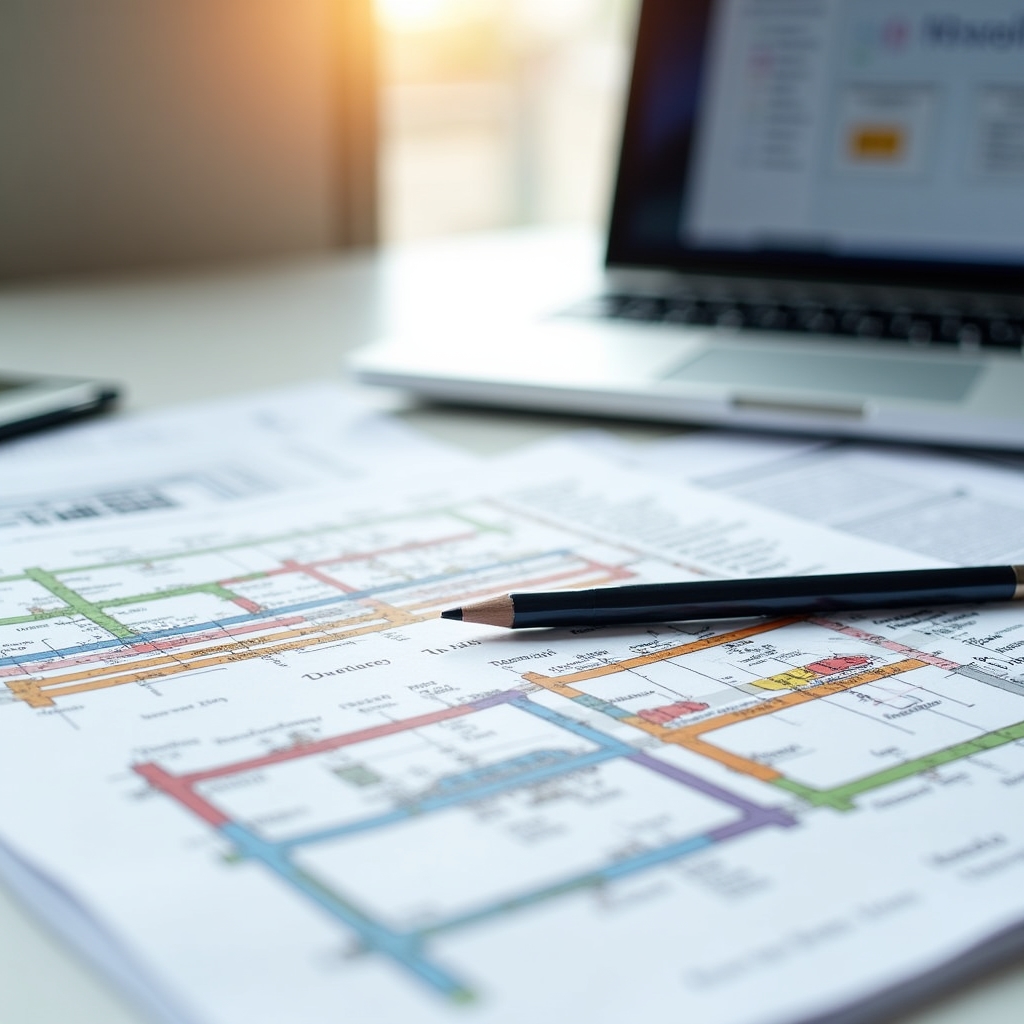
All findings are compiled into a clear written report addressed to your building committee. It includes the estimated remaining useful life of each network section and a comparison of repair costs now versus projected costs if failures occur without intervention.

How It Works

From first contact to final report

A structured process that minimizes disruption to residents while producing a thorough, actionable assessment of your building's water infrastructure.

01

Initial Consultation

We discuss your building's age, known issues, and the scope of the inspection. We then schedule a site visit at a time that suits residents.

02

On-Site Inspection

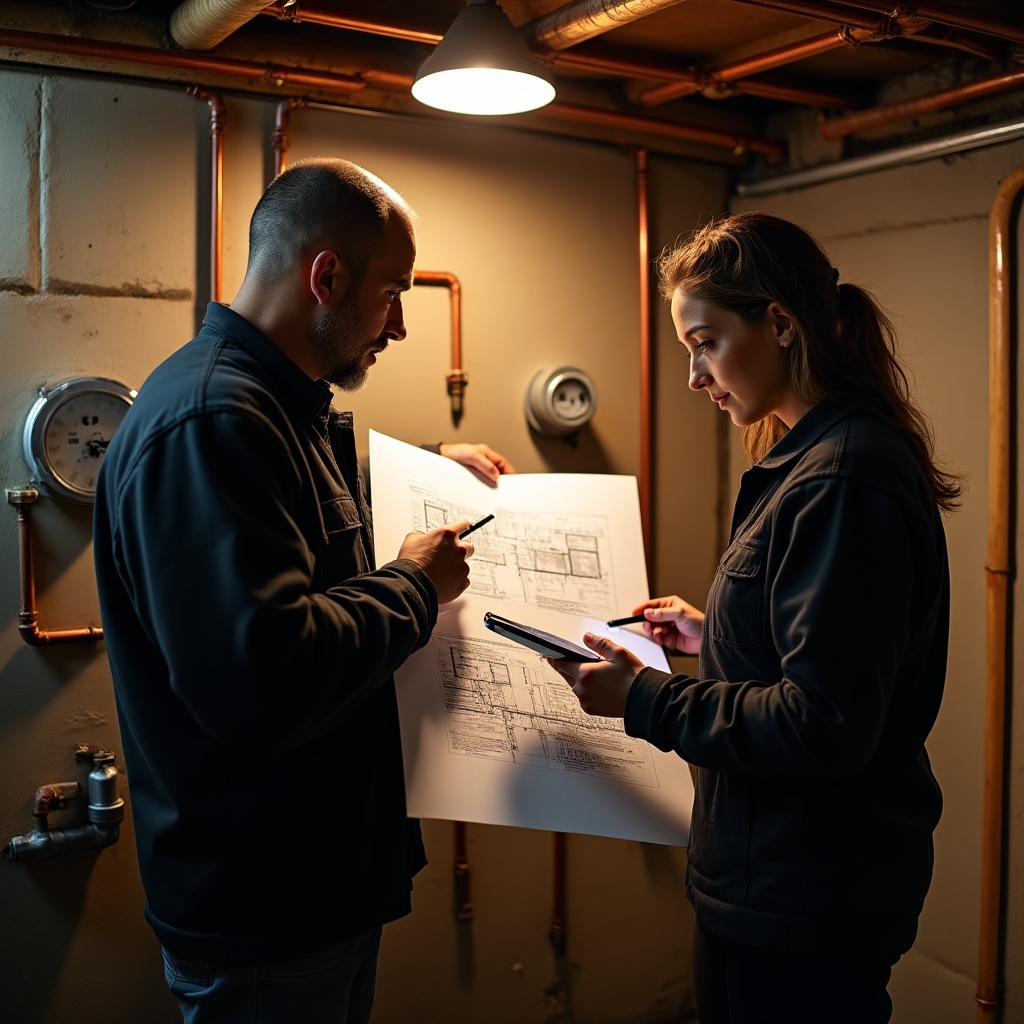
Our technicians carry out the endoscopic inspection, pressure tests, and joint analysis. Work is done with minimal intrusion into occupied units.

03

Data Analysis

Camera footage is reviewed, pressure data is processed, and corrosion findings are assessed against service-life benchmarks for the pipe materials used.

04

Committee Report

You receive a written report with findings, remaining useful life estimates per section, and a cost comparison between timely repair and deferred failure.

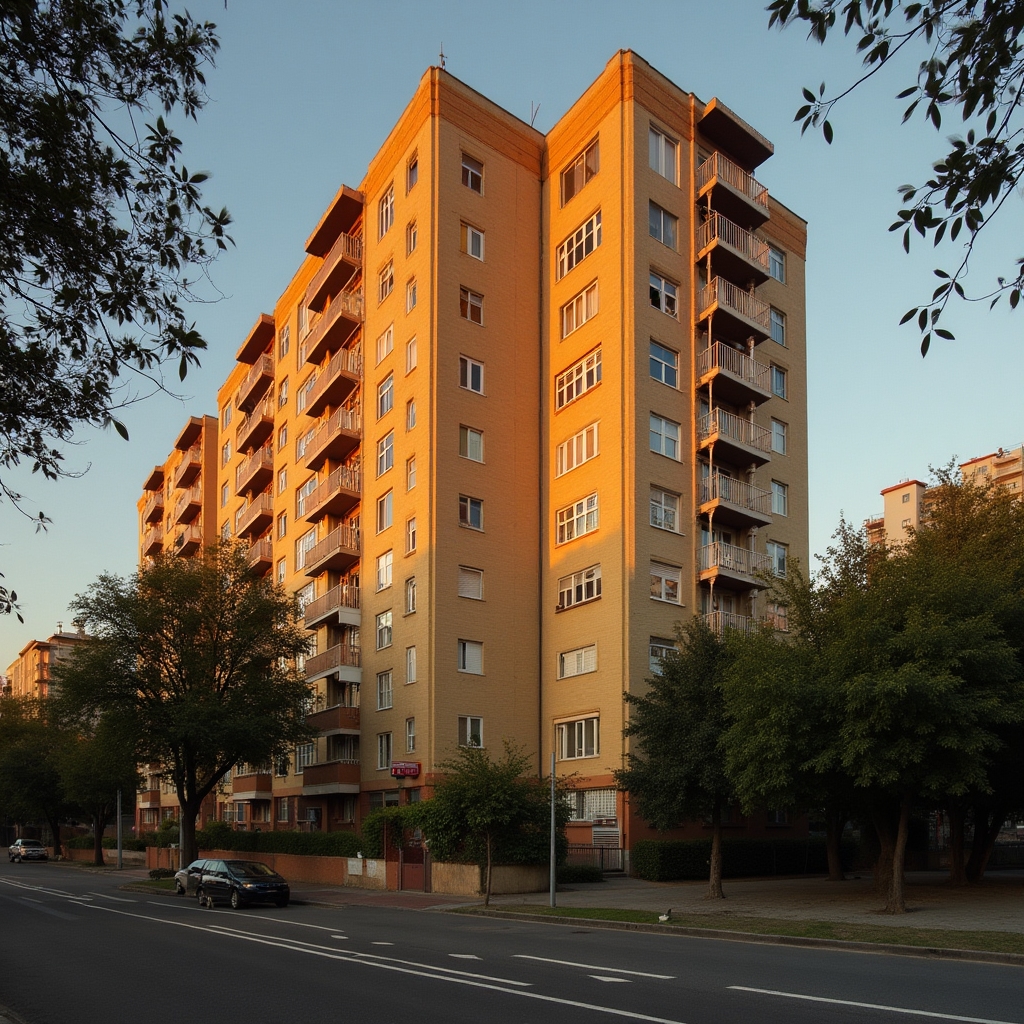
Residential apartment building in Santiago Chile showing exterior facade
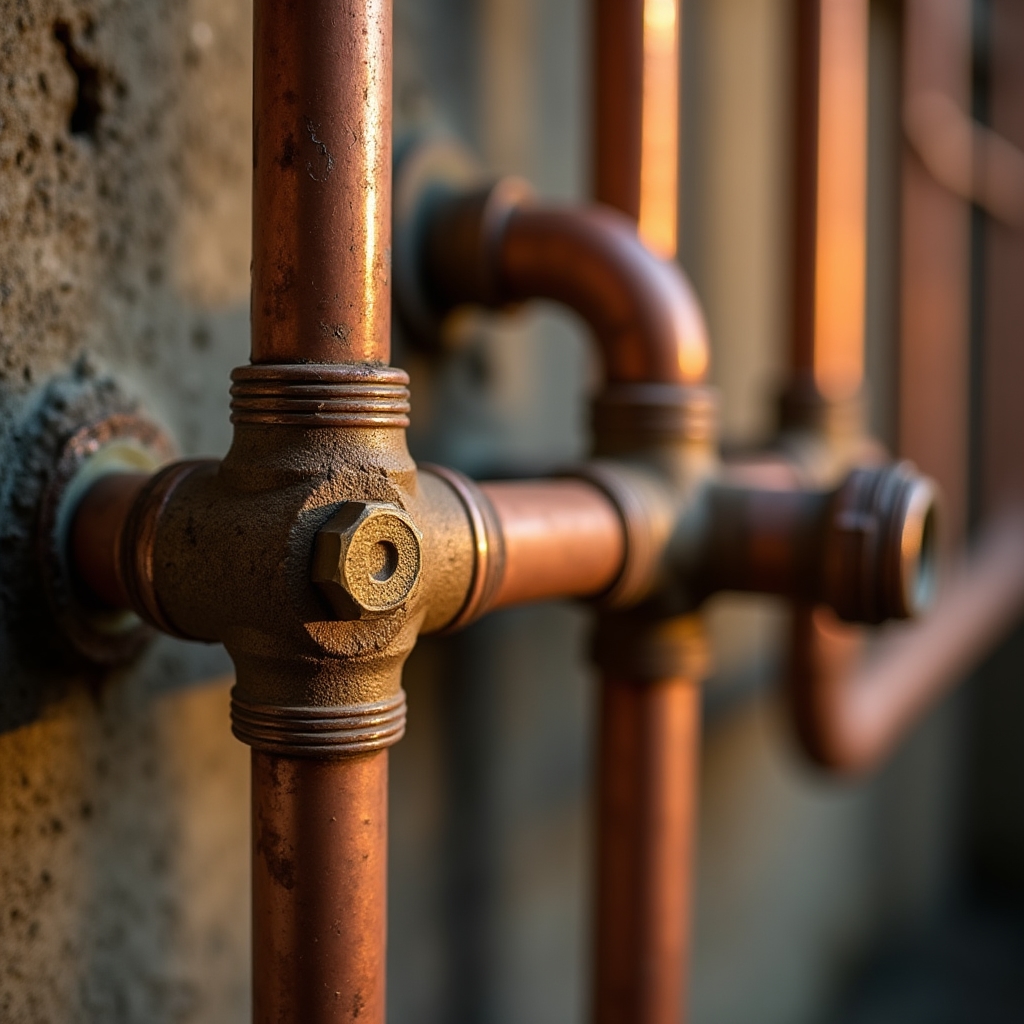
Close-up of copper pipe joint connection in residential building
Why Polvodi

Why does preventive diagnosis matter?

Building committees make long-term decisions about infrastructure that affects every resident. A diagnostic report gives committees factual data — not guesswork — about the condition of the water network and what maintenance actions are appropriate.

See what's invisible

Endoscopic inspection reveals conditions inside pipes that no visual check from the outside can show.

Informed cost decisions

The report compares repair costs now versus projected damage costs if the network fails without intervention.

Clear committee communication

Reports are written for building committees, not engineers — clear language, practical recommendations.

Questions

Frequently asked questions

Buildings over fifteen years old with original plumbing are candidates for preventive inspection. Additional indicators include visible rust staining around fixtures, reduced water pressure in upper floors, unusual sounds in pipes, or a history of flexible hose failures in the building. An inspection is also relevant when a building committee is planning maintenance budgets and needs data about infrastructure condition.
Endoscopic inspection is carried out through existing access points such as cleanouts, valve connections, and service openings. In most cases, no wall cutting is necessary. Pressure testing uses existing valve connections. The process is designed to be minimally invasive so that residents experience as little disruption as possible during the inspection day.
The report documents the condition of each inspected section of the network, identifies areas of concern, provides an estimated remaining useful life for each segment based on observed material condition, and includes a cost comparison between proactive repair and the projected costs of reactive emergency repair following a failure. It is written in clear language suitable for presentation to a building committee or condo association.
The duration depends on the size and complexity of the building's water network. A typical residential building inspection takes between four and eight hours on-site. The written report is prepared after the inspection and delivered within a few business days. We coordinate with building administration to schedule access in a way that minimizes impact on residents.
The service is most commonly requested by the building committee or property administration, since the water network is shared infrastructure. Individual owners can also request inspection of the sections serving their unit. The diagnostic report is addressed to whoever commissions the service and can be presented to the full committee as part of maintenance planning discussions.
Get in Touch

Request a diagnostic inspection
for your building

Contact us to discuss your building's water network. We'll explain the inspection process, scope, and what the report will cover — before any commitment.